
Possible Directions
The sale people plan their weekend around
Your city’s sale calendar, with a name made for the weekend hunt.
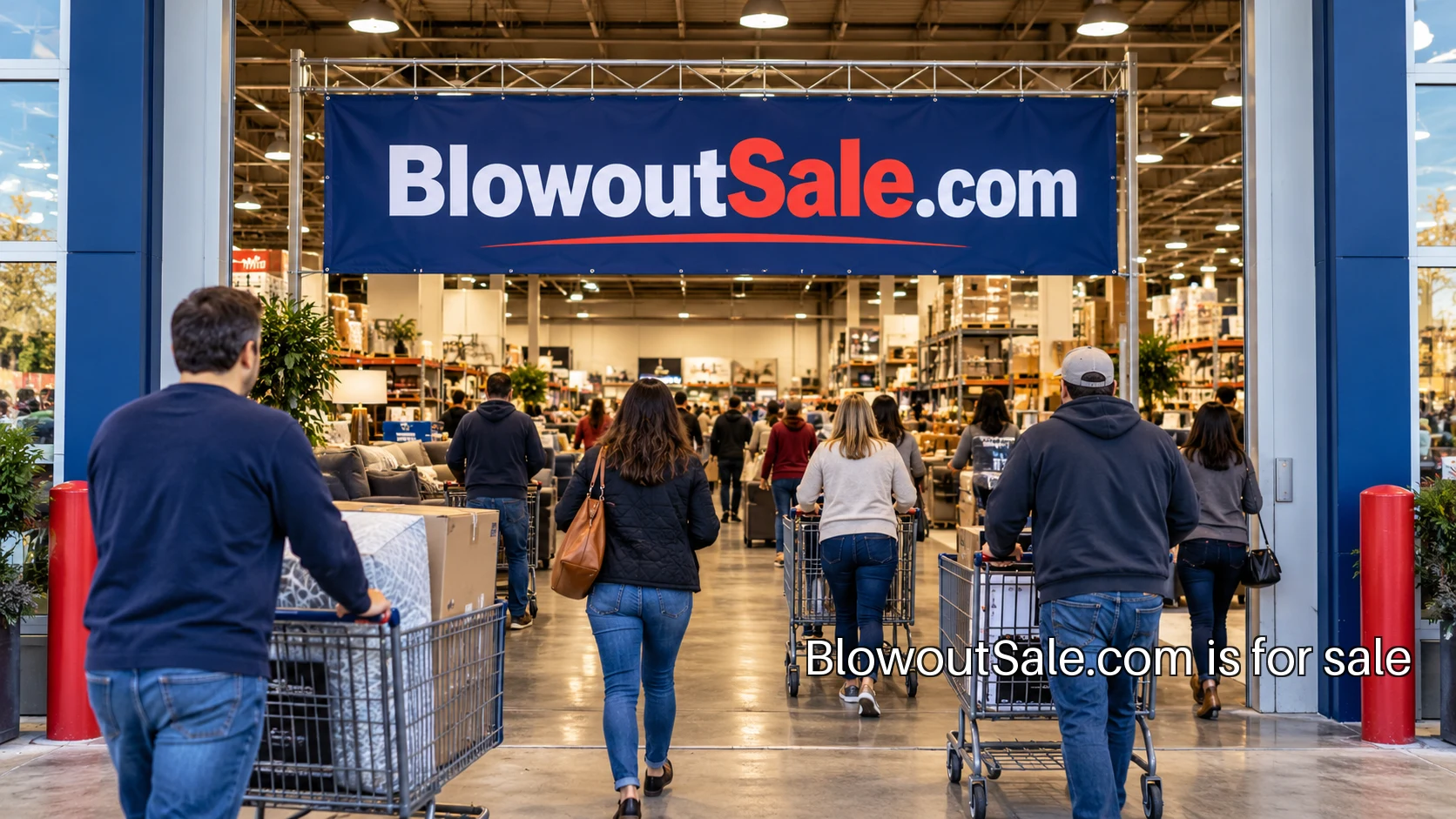
A local sale guide has a useful job before any visitor reaches a warehouse door. It can bring the practical details together: where a sale is, when it opens, what kinds of goods are offered and whether the organizer has confirmed the event. BlowoutSale.com could be the identity for that calendar, beginning with one city and a carefully checked weekend selection. This is an illustrative publishing concept for a future buyer.
Make the map small enough to know
Start with a defined area rather than an ambitious list of cities. A compact geography gives the editor a chance to understand travel times, industrial districts and the kinds of events that recur. The first calendar could cover a city and a small group of nearby neighborhoods. That boundary tells readers what they can expect to find and tells the team which submissions belong in the queue.
Density matters more to this concept than a long list of places with one event each. Imagine a reader planning a Saturday morning. A guide is more useful when it can show several confirmed options in a sensible area, with enough detail to choose among them. Build the opening coverage around a weekend the editor can verify well.
Separate a submission from a confirmed listing
An event submission is a lead for the editor. Ask for the organizer's name, the location, dates, opening hours, product categories, admission arrangements and a public contact method. Save the source of the information and the time it arrived. Those fields give the team something to check before creating a public calendar entry.
Confirmation should be an explicit step. Contact the organizer through a reliable channel and resolve missing details. A date on an old poster is different from a current confirmation that the next sale is going ahead. Keep an internal status such as “awaiting reply” or “confirmed with organizer.” Publish the entry only when it meets the guide's chosen standard, and make the date of the latest check available to the editor.
Answer the questions that affect the trip
A good listing should help someone decide whether to leave home. Include the full address, entrances or collection points, opening and closing times, parking information where known and any booking requirement. Distinguish an event open to all visitors from an appointment or trade-only sale. If an important detail is unresolved, return to the organizer before making the entry look complete.
Describe the range with enough specificity to be useful. “Household goods and small furniture” tells a reader more than “amazing bargains.” Explain whether the photographs represent current stock or an earlier event when the organizer supplies that information. The guide's value comes from making the outing easier to plan, with plain details in the places readers expect to find them.
Build a habit of rechecking
A calendar needs maintenance as much as new submissions. Set a check before the event weekend, then a way to record cancellations or changed hours. Give every published listing an editor or organizer contact responsible for updates. A simple update log helps the team see what changed and stops a corrected address being overwritten by an older submission.
Past listings can remain useful as an archive, but they should be unmistakably past. Remove expired entries from the upcoming list automatically or as part of a daily review. Keep recurring sales separate from a specific confirmed date. That distinction lets the guide show a familiar venue without suggesting that every weekend has already been checked.
Send alerts with a clear reason
A reader could choose alerts for an area, a category or a particular weekend. Keep the options understandable and collect only the preferences the service actually uses. An opening version might send a single weekly city roundup to people who request it, rather than trying to support a complicated stream of personalized messages. The editor can then focus on the usefulness of the selection.
Each alert should carry enough information to stand on its own: event name, area, date and a link to the current listing. If something changes after the roundup, decide how a correction reaches affected subscribers. Build that process before promising immediate alerts. The publication earns its practical place in the week through the care of its information and its updates.
Give organizers a simple path back
A visible correction link can make the calendar easier to maintain. Route it to a queue with the listing reference already attached. Ask the organizer what changed, confirm the revised detail and record the update. Over time, the team can identify which organizers provide complete information and which submissions consistently need follow-up.
The first milestone could be one verified weekend calendar, not a huge directory. Take a small set of events through submission, confirmation, publication, an update and expiry. That produces a real editorial routine to build on. Under BlowoutSale.com, the founder could give a city a clear destination for the weekend sale hunt, backed by the specific details that make each trip easier to plan.
A name for the clearance destination you have in mind.
Ask about acquiring BlowoutSale.com or describe a potential partnership.